Awakened to the meaning of my heart
That to feel love and oneness is to live
And this the magic of our golden change
Is all the truth I know or seek, O sage!
Savitri - Sri Aurobindo
Thursday, August 20, 2009

Thursday, August 13, 2009
... the tragedy continues
A little questionnaire - even if rhetorical - on human relationships
 Photo by Jerry Segraves
Respond to the following with all due honesty.
1. How many times when in front of someone else, 'anyone' else do you really show yourself?**
2. Do you run away or hide? Choose one, or both.
3. What's your favorite hiding place:
a. your job
b. your religion
c. your wife, husband, girlfriend, boyfriend, mother, father, daughter, son... any relative
d. your beliefs
e. your political inclination
f. your title
g. all of the above
h. all of the above and more
i. something else
j. ???
4. What's your favorite excuse to run away:
a. I'm too busy (I have to study, work,... - emphasis on the have to)
b. I need to earn money (emphasis on the need to and money)
c. I'm tired, sleepy, sick,
d. I'm fat, tall, skinny, short, ugly, pretty,
e. I'm famous, infamous, powerful, a looser, important, unimportant, flawed, perfect
f. I'm too old, too young, stupid, intelligent,
g. "You are... any (or all of the above)..."
h. I like/dislike _______ (you name it)
i. All of the above
j. All of the above and more
k. Other
l. ???
It's not about the other, and at the same time it is...
** Ok, assuming you really know yourself.
Monday, August 10, 2009
The tragedy of being human...
and its beauty too.

Life is so short. Too short. In a blink of an eye:
civilizations have come and gone,
animal species have become extinct and new ones found,
we are born, we create - and destroy, we eat, sleep, talk - and become quiet, think, remember and forget, we die, others die,
we study, work, socialize, travel,
laugh, cry, enjoy, detest, worry, adore, hate...
generation after generation
changes, changes, changes: technological, historical, social, scientific...
However there is one thing that remains and I feel might be at the center of the tragedy: human relationships.
As I was walking, a nice sunny afternoon - blue skies, flowers smiling and leaves whispering silent secrets, cars passing by (not too fast, not too noisy), the occasional dog barking and the occasional child laughing - a revelation, filled with questions:
at the center of the doing, existing, there is a longing for the other.
Even the most cynical person (I'd say in denial) has this. We all do, all the time. That we forget, that is another thing. All the problems, struggles, sufferings, if sourced deep enough arise from this. Even the doings and convolutions we fall into by living the day by day, most often arise from this.
But the real revelation is that this search for the other, this longing, deep enough is a longing for ourselves, for that part of us that was lost somewhere, some time. A part that is always the same, always constant, perfect and beautiful, although putting nouns to it seems inaccurate.
Who am I? Who are you? Ask yourself this question long enough and you'll see what I mean...
That's the beauty of being human too.
But ssshhh [finger in lips] be quiet and careful, if you are too busy, you might miss it.
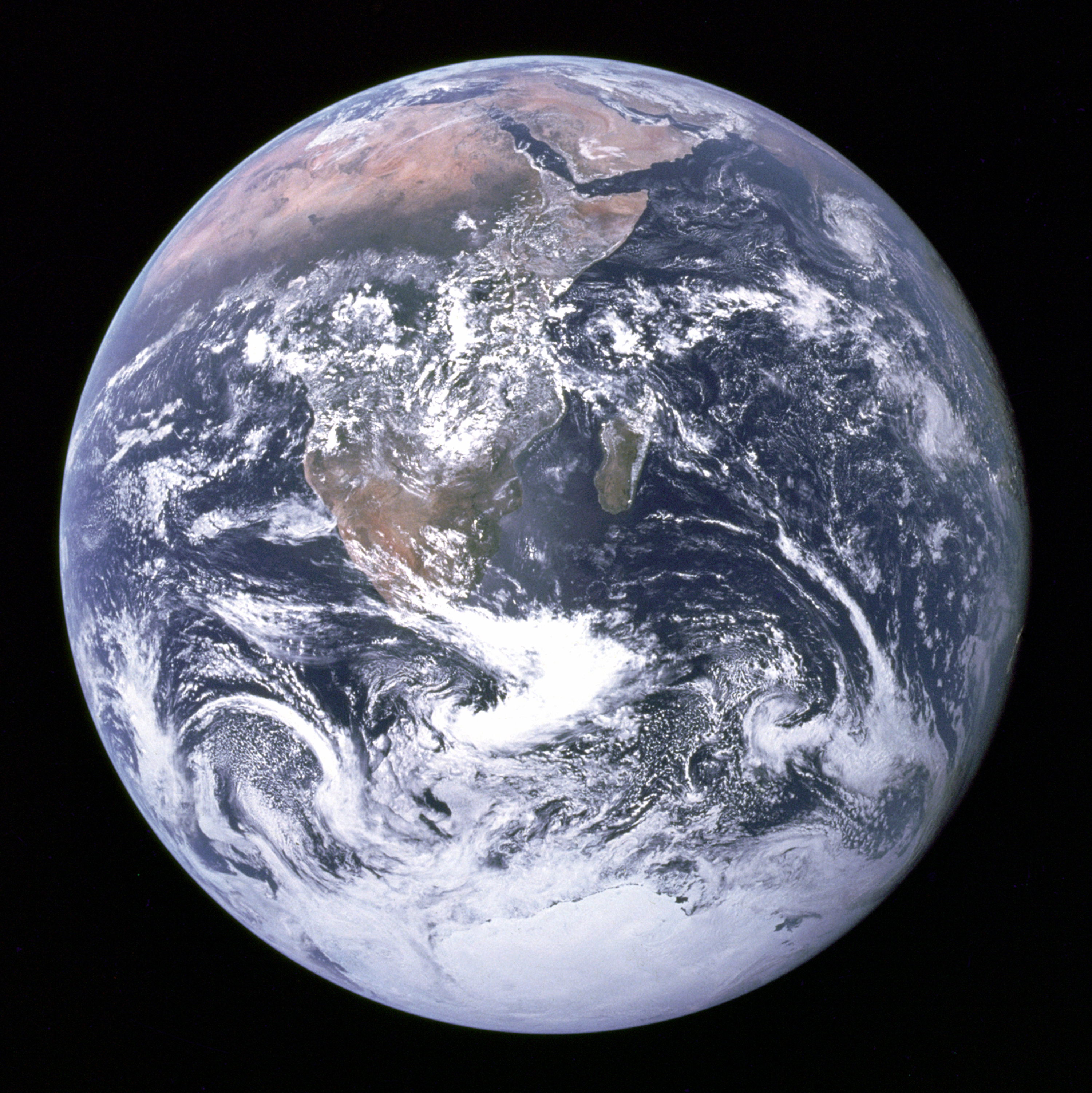
Life is so short. Too short. In a blink of an eye:
civilizations have come and gone,
animal species have become extinct and new ones found,
we are born, we create - and destroy, we eat, sleep, talk - and become quiet, think, remember and forget, we die, others die,
we study, work, socialize, travel,
laugh, cry, enjoy, detest, worry, adore, hate...
generation after generation
changes, changes, changes: technological, historical, social, scientific...
However there is one thing that remains and I feel might be at the center of the tragedy: human relationships.
As I was walking, a nice sunny afternoon - blue skies, flowers smiling and leaves whispering silent secrets, cars passing by (not too fast, not too noisy), the occasional dog barking and the occasional child laughing - a revelation, filled with questions:
at the center of the doing, existing, there is a longing for the other.
Even the most cynical person (I'd say in denial) has this. We all do, all the time. That we forget, that is another thing. All the problems, struggles, sufferings, if sourced deep enough arise from this. Even the doings and convolutions we fall into by living the day by day, most often arise from this.
But the real revelation is that this search for the other, this longing, deep enough is a longing for ourselves, for that part of us that was lost somewhere, some time. A part that is always the same, always constant, perfect and beautiful, although putting nouns to it seems inaccurate.
Who am I? Who are you? Ask yourself this question long enough and you'll see what I mean...
That's the beauty of being human too.
But ssshhh [finger in lips] be quiet and careful, if you are too busy, you might miss it.
Monday, June 22, 2009
Knowing is the first step, or might be just jumping...
Life can be an escape, and I'm almost sure it is for most. Paradoxes...
 Photo by Sam Oth
As my blog friend Zac suggests, people do not know what they want. Couldn't agree more. How come?
Ask a little child what they want and most of the time they will answer straightforwardly. They just know. What happens as people grow up? Do the so called responsibilities of life take over? Do they/we forget? Is it because the world suddenly becomes 100 times bigger? What is it?
Something happens... do we loose the wonder of being alive? Do we find that we need to commit and compromise to a thousand other things that have little to do with ourselves? Do we even know ourselves? Do I know myself? Do you know who you really are?
I think part of knowing what you want is knowing who you are. And this knowing is not something mental, something carefully thought and pondered. It is more like an instinct. You just know. Something inside, like a force that wants to be expressed.
I recon part of the issue has to do with fear. Perhaps even unconsciously. That could explain the escaping bit. Because, let's face it... sometimes doing what you want means having the guts to actually do it. And I don't mean here carelessly throwing yourself into selfish actions that will affect others by putting them in danger, but really having the courage of going for what you want and make it work constructively for you and for others.
I really admire people that do this.
This said, sometimes to know who you are, you need to just jump and see. I tend to think that knowing who you are takes a lot more time that knowing what you want. A person is not closed system, there is always interaction with the outside world, they mold each other: a constant play of give and take - a dance.
And then, there's time. You might want something now and ten years down the track that might have changed. What you want is different.
And then, you-I-we die. At least our physical existence. What to escape then?
Wednesday, June 17, 2009
On life...

I've been putting a lot of attention to life. What is this thing called life? What is behind people's intentions and actions, words and dreams? What's behind my own?
I love observing the world around me as much as participating in it. Sometimes detaching myself a little bit helps in getting clarity about me and the rest of the world. It brings focus to the sometimes seemingly chaotic world. I watch people going on with their lives, following their routines, doing what they do. Some look happy, perhaps comfortable. Others look stressed and confused. A lot just seem to do what they do, 'just because'. I often get the sense that a lot of people do what they do not so much because they really want to, but because they are escaping something. A few times I have met people that really enjoy what they do and put themselves fully into it. Something shines with their doing.
Fascinating...
Sunday, May 31, 2009
In between... a quote
I've been busy, wanting to post so many things and finding myself without time for it... So in the meantime here is this quote:
"The most beautiful thing we can experience is the mysterious; it is the source of all true art and science."
Einstein
More to come - soon!
"The most beautiful thing we can experience is the mysterious; it is the source of all true art and science."
Einstein
More to come - soon!
Tuesday, May 19, 2009
A thought... on memes and trends
Little thought machines aside, a theory about how thoughts travel is that of memes. A meme, according to the dictionary is a cultural unit (an idea or value or pattern of behavior) that is passed from one generation to another by nongenetic means (as by imitation); "memes are the cultural counterpart of genes".

There is so much to see on this, but for now, my current interest stays in the way trends are carried by groups of people. It is interesting to notice how trends gain intensity and are adopted or rejected: flows of ideas (and thoughts) that sweep through communities and take root in their lives, becoming the ground for their actions, moods and more ideas. So, from exploring a single thought and how it shapes a person, I am now curious about how groups of thoughts shape societies.
What comes first though? The chicken or the egg?
The more I think of these, the more I feel so tiny, a small bubble in a vast ocean...
Monday, May 18, 2009
My thought, your thought, our thoughts...

There is nothing new under the Sun... they say.
Another cool machine I would like to have is one that color tags the thoughts or has some cool function, like that of spreadsheets that trace the origin of a particular result, in this case of a particular thought. A machine like this would put little lines in the minds of people (from all over the world, from all eras) and bleep, bleep, bleep when it found a thought never thought before. Perhaps I would discover really old thoughts that have been traveling from mind to mind generating actions, moods and other ideas for decades, centuries or millennia. Perhaps it would signal to really original thoughts, never ever thought before, that completely catapult entire civilizations into different directions. Perhaps it would be just a waste of time... as at the end of the day thoughts always come from the outside, don't they?
But since this blog is all about curious musings, I'll entertain the idea a little longer.
I wonder... what was the first thought ever thought? And most importantly, who thought it?
:)
Sunday, May 17, 2009
And another thought...

One of the most fascinating discoveries about thoughts is that when really being aware of them, their origin starts to reveal itself.
I remember the first time I heard someone say that thoughts had forms, my eyes grew bigger and my ears became more attentive.
It is true. Often when I am with someone, and I am quiet enough inside, I can feel their thoughts and I can feel other thoughts enter my consciousness.
This is not new and it is a common experience for people that meditate. Thoughts become tangible things with forms and substance (a different type, not the material one, but a substance in itself). For some it has had such an impact that it has become their ticket to enlightenment.
One such person is Sri Aurobindo, which I often quote in this blog. I guess he was just prepared, because when he sought help on the topic (a long story made very short here) he just got it. Lele, (short for Vishnu Bhaskar Lele), suggested to Sri Aurobindo that he sit three days in solitude and watch his thoughts and that he would notice they came from the outside. On Sri Aurobindo's words:
I did not think either of questioning the truth or the possibility, I simply sat down and did it. In a moment my mind became silent as a windless air on a high mountain summit and then I saw one thought and then another coming in a concrete way from outside; I flung them away before they could enter and take hold of the brain and in three days I was free.
I am a long way from attaining this, but the possibility exists. Ahhh, silence, endless silence...
Have you tried watching your thoughts?
I would love to hear your experiences!
Saturday, May 16, 2009
Another thought on thoughts...
If I was given the choice, I would definitely choose silence versus thoughts.
I remember when I first started meditating, really meditating, it did not take long for something to let go. Before this, there were times when I would be talking to someone and my mind would race at a hundred per hour, thinking incredibly judgmental thoughts, that where totally embarrassing. I would then judge the thoughts, adding extra weight to the internal chaos and hoped that the person in front of me would never guess what I was thinking. Thankfully this is completely gone and I can say there is fresher air to breathe inside my mind.

Another result of meditating was a complete silence. Not just less thoughts, but no thoughts... the lightness that results from that is invaluable and to me it was such a gift. Worries dissolving, a sense of space inside, calm and peaceful, without it being anything in particular really, a sense of fullness. Wow. I admit, however, this is not constant and there are times, still, when raging thoughts take over (in or out of meditation).
So, why ramble on meditation? The more I meditate, the more thoughts become something different... and so does the world around me.
Friday, May 15, 2009
A thought on thoughts...
Have you ever noticed how many thoughts surface inside your mind every hour of every day (of every month of every year of your life)?
After asking myself the question, I decided to do a little research. Apparently a person has between 2000 to 6000 thoughts on average, per day. I think (there goes another thought) it would be great to have a little machine (just for fun) that counts and labels each type of thought. It would be so revealing, not so much to the rest of the world, but to oneself. [Now that I think about it more though, perhaps a prelude to that little machine exists already: Twitter.]
How many of these thoughts are negative thoughts, positive thoughts, neutral thoughts? How do they affect my actions, the actions of others? How much of these are actual helping me accomplish my goals?
Anyway, the fact is that most of us are completely oblivious about what's happening in our minds and that just by bringing a little awareness, the mind actually slows down. I know that for me being conscious of my thoughts has given me a lot of insight on not just myself, but the world around me. At times it takes me by surprise, where did this thought come from? I bet that if someone else could actually hear my thoughts, they would think I smoke pot. (Just in case someone's doubting out there... I don't.) I bet too, I am not alone here.
I have noticed that at times, the thoughts I thought were mine, were not necessarily so. The more I observe thoughts, the more I ask myself, "Where do thoughts come from? What creates thoughts?"
A little food for thought. More to come...
Tuesday, April 28, 2009
To be homeless, a choice?
Before going back to all things disease, something that caught my curiosity recently...
I was walking the streets of a beautiful area in some Northern California city. A beautiful place with cheerful people, lots of trees, blue skies and houses surrounded by varieties of flowering plants. After a day of walking and exploring I was heading towards my temporary abode when highlighted by the dim street lights I could see a couple of people lying in the sidewalk. There was something so out of place in contrast with the beauty of the city, particularly this being a small city. I would expect homeless people sitting/sleeping on the street in New York, in Los Angeles, in Chicago... big cities, but here? Hmmmm, puzzling.
Still puzzled by the question, I asked the owner of my current dwelling about it. He told me that a lot of locals have an active relationship with the homeless, they ask each other about their lives, they give them money, they interact. He was not too happy about it, mainly because he thought that was encouraging them to maintain their homeless status. He kept talking, describing the situation when a question came to mind? Why is it that people in a country where there are so many programs and support, a country that despite the recession, can afford (I'd think) to assist them? I mean, it is not like people in countries like Mexico, Brazil or Peru where the government cannot afford to solve the 'being poor' issue... or is it? Are homeless choosing to be homeless? And if so, what pushes them to be homeless?

Sure, the obvious thing to look at is poverty. It is interesting to note though that the problematic of a country like India would be very different to a place like the US. Still putting things into their context, perhaps homelessness is just a sign of a deeper social problem - whatever that might be. This said, my perception (could be wrong) is that a lot of people in places like the US would be people that either had a career or a job once in their life in comparison to someone that is homeless in some country in Latin America, where the levels of education are so different.
Talking later to a friend he stated that most of these homeless people aren't there because they have chosen to be there but because they have some sort of mental illness or have a heavy addiction to substance abuse that makes it blurry for them to distinguish between living in the streets and living elsewhere. That would explain why one of the people I saw was using a key to scratch his leg so deeply and anxiously that blood was coming out.
A few days later, I was invited to a movie night. The movie is called 'The Soloist' and it's about the relationship that emerges between a journalist and a homeless talented musician that drops out of Juilliard because of a mental disability. This added to the hypothesis that some homeless people do choose (some way or another) to live on the streets and refuse help that would mean changing their lifestyle.
However, that is probably not the case with every one. Some people do fall into the circle of poverty and can't get out of it.
Would love to hear other people's thoughts on the topic...
---
Some statistics on homeless people:
- In 2005, an estimated 100 million people worldwide were homeless.[1]
- Between 150,000 and 200,000 individuals with schizophrenia or manic-depressive illness are homeless among the 744,000 homeless population (total homeless population statistic based on data from a 2005 national survey). These 150,000–200,000 individuals are equivalent to the population of such cities as Dayton, Ohio; Des Moines, Iowa; Fort Lauderdale, Florida; Grand Rapids, Michigan; Providence, Rhode Island; Richmond, Virginia; or Salt Lake City, Utah. [2]
More statistics and information:
National Coalition for the Homeless
Homeless Statistics
[1] From: http://en.wikipedia.org/wiki/Homelessness#Contributing_causes_of_homelessness
[2] From: http://www.psychlaws.org/generalResources/fact11.htm
Saturday, April 25, 2009
More on viruses... resources
Something about viruses that makes them quite interesting is how they can only survive when there are cells they can infect. They cannot live on their own and so survive through using cells of living organisms. This makes them so powerful because they attack the fundamental structure of a human body: the cells.
Some great resources and articles on the topic:
Virus or Parasite
An article on how much humans are compared to viruses and the promise of it becoming instead a symbiotic parasite.
Even Viruses Catch Viruses
Aha! Fierce fight of the most apt.
Viruses, the Unknown Frontier
A high school student's still to come research on viruses. Useful on its simplicity to explain what a virus is and how it reproduces.
And of course... wikipedia on viruses, cytokine storm, influenza
Friday, April 24, 2009
What moves viruses?
How fascinating...
I was reading about the outbreak of swine flu in Mexico and how 'experts' fear it becoming a pandemic. Will it?
I find the topic of viruses and bacteria (micro organisms in general) so interesting. How is it that they infect some while not others? What makes someone prone to infection? What is the interaction between these and the cells in the body?
 Adenovirus, from wikimedia commons
Sure, these questions can be answered from the medical perspective, but I want to go beyond these answers. For example, I was reading about the etymology of the word Influenza. Wikipedia says:
"The word Influenza comes from the Italian language and refers to the cause of the disease; initially, this ascribed illness to unfavorable astrological influences. Changes in medical thought led to its modification to influenza del freddo, meaning "influence of the cold". The word influenza was first used in English in 1743 when it was adopted, with an anglicized pronunciation, during an outbreak of the disease in Europe...."
This is where things start to become interesting. It says that the original word captured the cause of the disease as the result of 'unfavorable astrological influences'. Did I just read 'astrological influences'? [Smile.]
In the past I used to think that getting sick as a result of a viral influence was like having something parasitic come into my system and lodge there. Like a piece of dirt that can be removed with proper disinfectants. However my views have changed over the years. Sure, a virus is something that infects the body and, when it overpowers the balance systems in the body a person becomes sick. However I couldn't say that a virus is just an 'organism' [1] that comes and stays. Most viruses are highly contagious. The survival fight they launch is fierce. Their power is not necessarily individual but as a group. When they start to infect and replicate they can decimate large populations of people. There are forces behind these little buggers. And these forces are usually quite sharp and intense. In fact, if you have a close look at them, they are only made of information [2]. Look at some of their shapes... they carry something. Some even are extremely beautiful: geometrical forms so tiny and 'perfect', ever ready to attack and infect.
It has been my perception that outbreaks like the one in Mexico are often a sign of something else. Some sort of force (and here, please avoid interpreting my words with some tint of paranoia). I think there is much more to see about viruses and their 'power' than what has been explored so far. What moves these forces behind virus outbreaks? What makes certain people more prone to be infected than other people? Not all viruses infect everyone and maybe these predispositions can hint some answers as much as the fact that there could be astrological forces linked to these outbreaks. After all, despite scientific skepticism, astrology was considered an important influence in many, many ancient traditions - that have shaped what we are today. [3]
Virus are moved by forces that interact with our physical bodies. They can change and modify them through their infection, to the point that malformations and growths can occur. Have a look - if you have the belly for it - at this man's hands and feet infected with the human papilloma virus. Who needs genetic engineers when there are viruses to do the job?
Perhaps that is what Sri Aurobindo meant in the quote I last posted and as long as every cell in the body stops responding to 'whatever forces' except the One Force, then we are all prone to becoming sick.
The question remains, what force is behind this outbreak in Mexico? (Or any other outbreak for that matter...)
[1] The idea of viruses being organisms is still debated as they don't have the ability to metabolize food and lack their own cellular structure.
[2] Comparing the action of computer viruses to 'biological' viruses can be quite interesting from this perspective.
[3] I tend to believe that in the not so distant future astrology will be re-considered as an important source of information for some of these so called skeptics.
Tuesday, April 21, 2009
Sri Aurobindo on illness
A quote:
"The human body has always been in the habit of answering to whatever forces chose to lay hands on it and illness is the price it pays for its inertia and ignorance. It has to learn to answer to the one Force alone."
Something to aspire too. Definitely.
"The human body has always been in the habit of answering to whatever forces chose to lay hands on it and illness is the price it pays for its inertia and ignorance. It has to learn to answer to the one Force alone."
Something to aspire too. Definitely.
Monday, April 20, 2009
The universe inside - thoughts and emotions aside
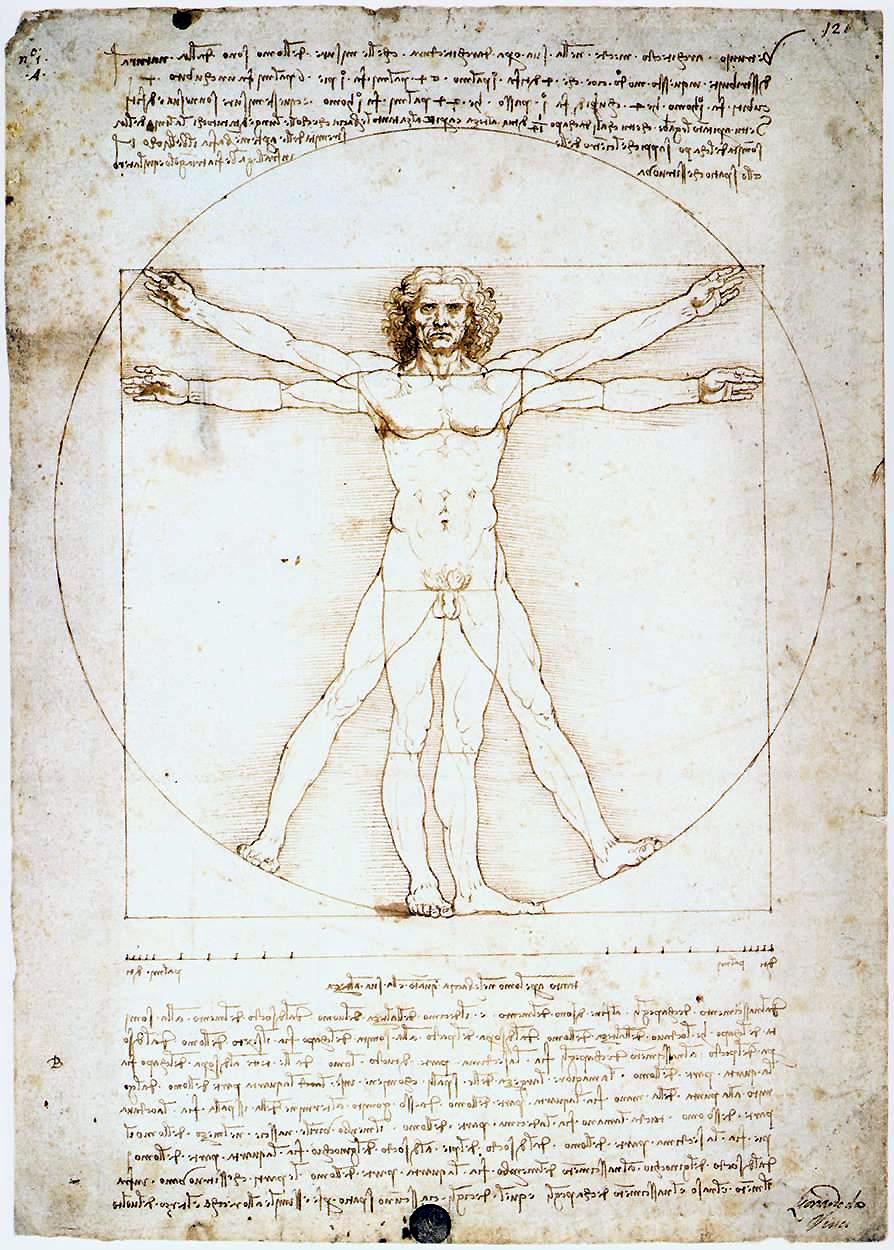
I've been a little sick. Nothing too important, but a hassle when you are traveling, which I have been. Suddenly there is no energy to do what you want and your body claims rest, rest, rest.
On the other hand this has become such an opportunity and a fascinating way of delving into the physical body. The sense that there is something in the body trying to work out itself, trying to come back to balance. A fight that goes on between the good little bits and the not so good ones.
There is so much to see in regards to the physical body. Most of it remains unseen, unnoticed.
Isn't it amazing that all the time there is something going on inside us - thoughts and emotions aside? There is something happening to every single person in this planet: all these interactions happening in our cells to hold some structure that allow us to think that we are individuals... And we are vaguely aware of it. We go on, doing our thing, living our lives and these systems working their magic in the background. Unless something goes wrong, we don't have to think about how to breathe, how to send the air to the lungs and then tell the blood how to extract the CO2; we don't have to think about extracting the nutrients from our food (if any) and send them around to be optimized; we don't have to tell our left leg 'move after the right', so we can walk....
It's just amazing. There is a universe happening inside every second. Movements in all sorts of ways doing all sorts of things with such precision (most of the time) and wisdom. How is this possible?
Wow.
Monday, April 13, 2009
The five senses - part five
My last observation - for now - on the topic has to do with a question.
Which of the five is the most refined?
I found this quote by Robert Delaunay, a French painter labeled as Orphist:
"The eye is the most refined of our senses, the one which communicates most directly with our mind, our consciousness."
I am not sure I agree here. His paintings, for example are almost musical. Interesting that his work was called "Orphic cubism", being Orpheus son of the god Apollo (in Greek mythology - a fascinating tale, btw) and a fantastic poet and musician, who perfected the lyre created by Hermes.
 Rhythm, Joie de Vivre
Seeing Delaunay's work is as if he was perceiving visuals as sounds. Which makes me think of synaesthesia.
Synaesthesia is the ability for the senses to be mixed up in the brain, producing for example the perception of a sound as a smell, taste as touch, visuals as sound... or you name the combination. It is often present in artists and people that meditate a lot. Notice that I called it an ability and not something that's wrong with a person - modern psychology labels this phenomena as some sort of problem (sigh). It allows you to perceive your environment in a very deep and fascinating way, making it not just more alive, but also more rich and 'informational'.
So, in not agreeing with Delaunay, I would say that sound is the most refined of all senses. Why, because sound is one of those things that can become very, very abstract. Just think of the connection between music and mathematics...pretty abstract. The fact of not being completely aware of what is happening with the sense of hearing doesn't make it less refined than seeing.
A bit of a digression... Maybe the question here is what is my parameter to call something more refined? What makes something more or less refined? To me something refined has the ability for abstraction and a high level precision. So refined, in this context would equate with precision and abstraction.
Considering the above I'd say that a sound (coming from the external environment) could take someone deeper and higher into abstraction, out of their mind (ordinary mind: the gross block, the blahblahblah), closer to Reality than visuals (coming from the external environment). Since the five senses have to do with the information coming from the outside, I'd insist on saying that the sense of hearing is the most refined of them all.
But, that is just me... what do you think?
Thursday, April 9, 2009
The five senses - part four
There is a paradox with the senses.
The senses are the ones that take people out of themselves and into the world. In meditation, for example, if one wants to go deeply and feel oneSelf, the less external stimuli from the outside, the better. I guess that's why in the past some hard core meditators would go into caves and why in the present real meditation means sitting in a silent place as to be able to go deep inside. This means no smells, no sounds, no movement. Stillness and silence.
Then, think of people incapable of feeling. Their minds are usually overactive, very, very noisy. You can almost feel the movements of their thoughts... it is painful. People like this are usually stressed, find it difficult to deeply relax and stay still. More often than not, people like this don't notice the birds sing, the smell of a rose, the sound of a faraway bell, the feeling of the wind caressing their face or how uncomfortable wearing certain synthetic clothes can be. I suppose this is a good thing, if, for example, we were locked in some torture chamber. In this case the mind would be a safe place to escape.
But back to the paradox, to counteract an overly active mind, the remedy would be to feel. Feel, feel, feel... don't run away, feel. Feel the wind, feel the floor you are walking on, feel your shoes... feel the flavor of that tasty (or disgusting) meal you are eating. Feel the sight of the waves crashing in the shore.
Feel what the world does to you, what all these stimuli is perceived by your body and how it makes you feel good or bad, or neutral. Feeling the world can be such a tool, particularly when we can disconnect the judgment and just feel. A tool for what? A tool to be more present.
Think about people that are depressed and unhappy. Most of the times their senses are numb. They have forgotten to feel. Just feel.

Photo by Tiago Fioreze
So, where's the paradox here? Well, when it comes to getting in touch with deeper aspects of oneself, the mind, not the senses, is the one that blocks the process. The senses are those things that take you out of yourself, but only through being aware of them, it is possible to go deeper inside, into the big Silence, far away from the stimuli of the world and into our real Selves.
Try it! Make an intention to feel your environment and see what happens. Do it for a few days, from morning to night... And if you do, let me know how you go. Would love to read your comments.
The senses are the ones that take people out of themselves and into the world. In meditation, for example, if one wants to go deeply and feel oneSelf, the less external stimuli from the outside, the better. I guess that's why in the past some hard core meditators would go into caves and why in the present real meditation means sitting in a silent place as to be able to go deep inside. This means no smells, no sounds, no movement. Stillness and silence.
Then, think of people incapable of feeling. Their minds are usually overactive, very, very noisy. You can almost feel the movements of their thoughts... it is painful. People like this are usually stressed, find it difficult to deeply relax and stay still. More often than not, people like this don't notice the birds sing, the smell of a rose, the sound of a faraway bell, the feeling of the wind caressing their face or how uncomfortable wearing certain synthetic clothes can be. I suppose this is a good thing, if, for example, we were locked in some torture chamber. In this case the mind would be a safe place to escape.
But back to the paradox, to counteract an overly active mind, the remedy would be to feel. Feel, feel, feel... don't run away, feel. Feel the wind, feel the floor you are walking on, feel your shoes... feel the flavor of that tasty (or disgusting) meal you are eating. Feel the sight of the waves crashing in the shore.
Feel what the world does to you, what all these stimuli is perceived by your body and how it makes you feel good or bad, or neutral. Feeling the world can be such a tool, particularly when we can disconnect the judgment and just feel. A tool for what? A tool to be more present.
Think about people that are depressed and unhappy. Most of the times their senses are numb. They have forgotten to feel. Just feel.

Photo by Tiago Fioreze
So, where's the paradox here? Well, when it comes to getting in touch with deeper aspects of oneself, the mind, not the senses, is the one that blocks the process. The senses are those things that take you out of yourself, but only through being aware of them, it is possible to go deeper inside, into the big Silence, far away from the stimuli of the world and into our real Selves.
Try it! Make an intention to feel your environment and see what happens. Do it for a few days, from morning to night... And if you do, let me know how you go. Would love to read your comments.
Wednesday, April 8, 2009
The five senses - part three

Photo from Wikimedia
A very interesting and beautiful experiment was held recently by The Washington Post in which they asked a well known violinist to play, pretending to be a as street musician, in a Metro station during rush hour.
The music is sublime and the article is beautifully written; the results quite interesting. It says a lot about how much people are really present:
Pearls before breakfast
Talk about feeling...
The five senses - part two
It is well know that sometimes when one of the senses is not functioning properly, other senses take over, becoming more sensitive. Someone that's visually impaired could perhaps be able through touch, sound and smell to recognize details of the environment that not even people with 20/20 vision can.

Photo from wikimedia
The senses are our main source of information when it comes to interacting with the world. If we were not able to see, feel, smell, taste or hear, then how would we know what is happening around us? If we were not able to know what is happening around us, then how would we respond?
Let's imagine a little experiment. Let's suppose we had a funky gadget that would shut off, one by one, our senses for a few days:
hearing -- gone
smells -- gone
visuals -- gone
touch and all sensory perceptions -- gone
taste -- gone
What do you think would happen?
Subscribe to:
Posts (Atom)



 Posts


